
Bringing Physical Security into the Cloud in 2026
Physical security is undergoing a shift very similar to the one IT infrastructure, communications, and data storage experienced years ago. Systems that were once managed through siloed, on-premise tools are increasingly moving toward centralized, cloud-managed platforms. That change is also affecting who owns security decisions inside an organization.
Today, physical security is rarely just a facilities concern. Cameras, sensors, and access systems intersect with networking, user permissions, data retention, and compliance. In many environments, responsibility has started landing with IT teams that already have a lot on their plate. As organizations look ahead to 2026, it’s worth reassessing not only which security tools they use, but how those systems are managed, supported, and expected to scale over time.
The Shift to Cloud-Managed Physical Security
Most physical security environments didn’t start out fragmented, they became that way gradually. Different vendors, interfaces, and maintenance cycles were introduced as buildings expanded or needs changed. Over time, this can make it harder to maintain consistent visibility or respond to incidents efficiently.
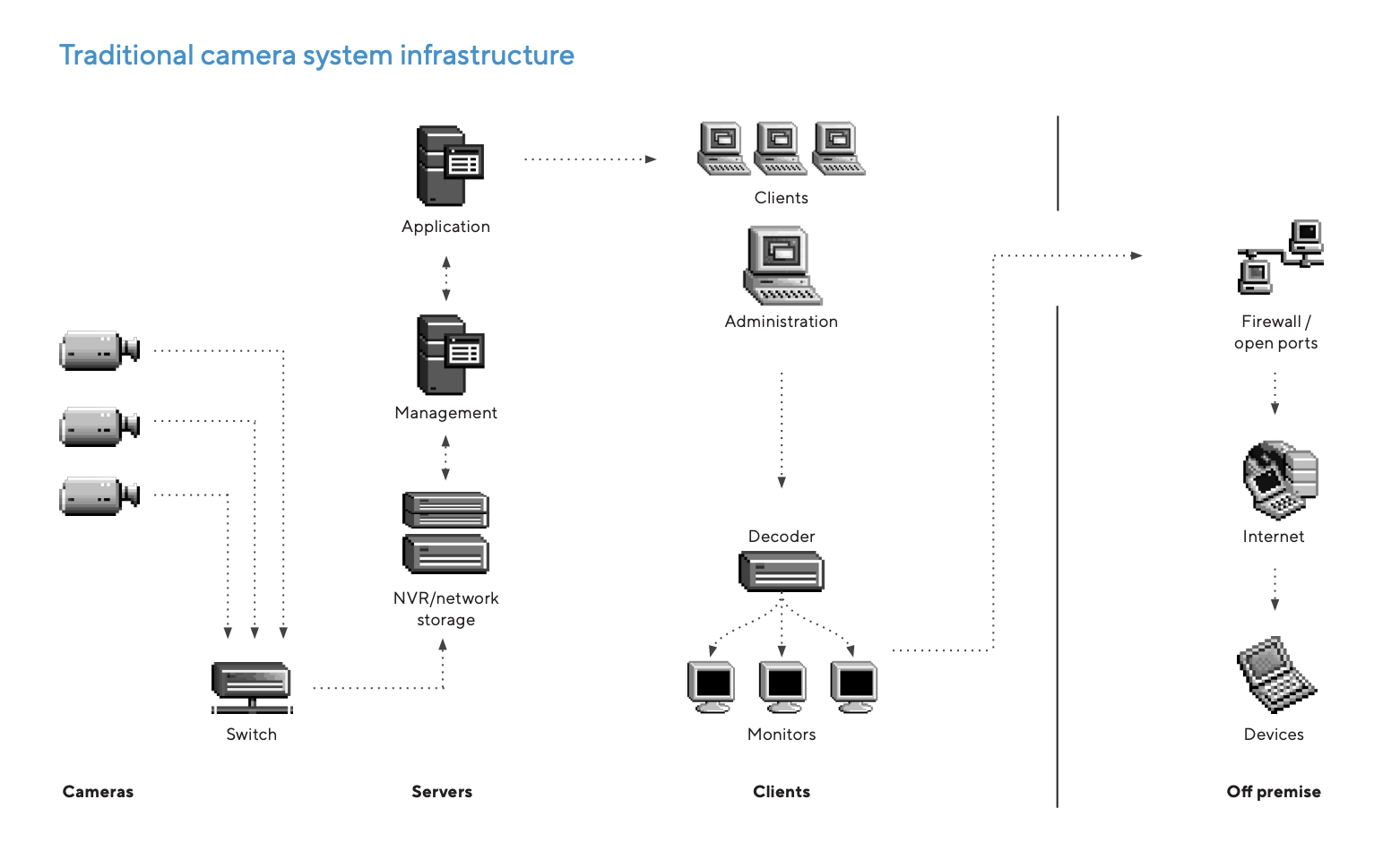
Source: Verkada
Cloud-based physical security platforms are designed to bring these systems together. Cameras, sensors, panic buttons, and access systems are managed through a shared, browser-based environment. Instead of relying on local servers and specialized software, authorized users can monitor sites, receive alerts, and review incidents from anywhere.
Platforms like Verkada reflect a broader shift toward treating physical security as a software-driven platform. Rather than replacing hardware and learning a new system every few years, organizations are increasingly relying on centralized management, reporting, and updates to extend the value of their systems well past their install date.
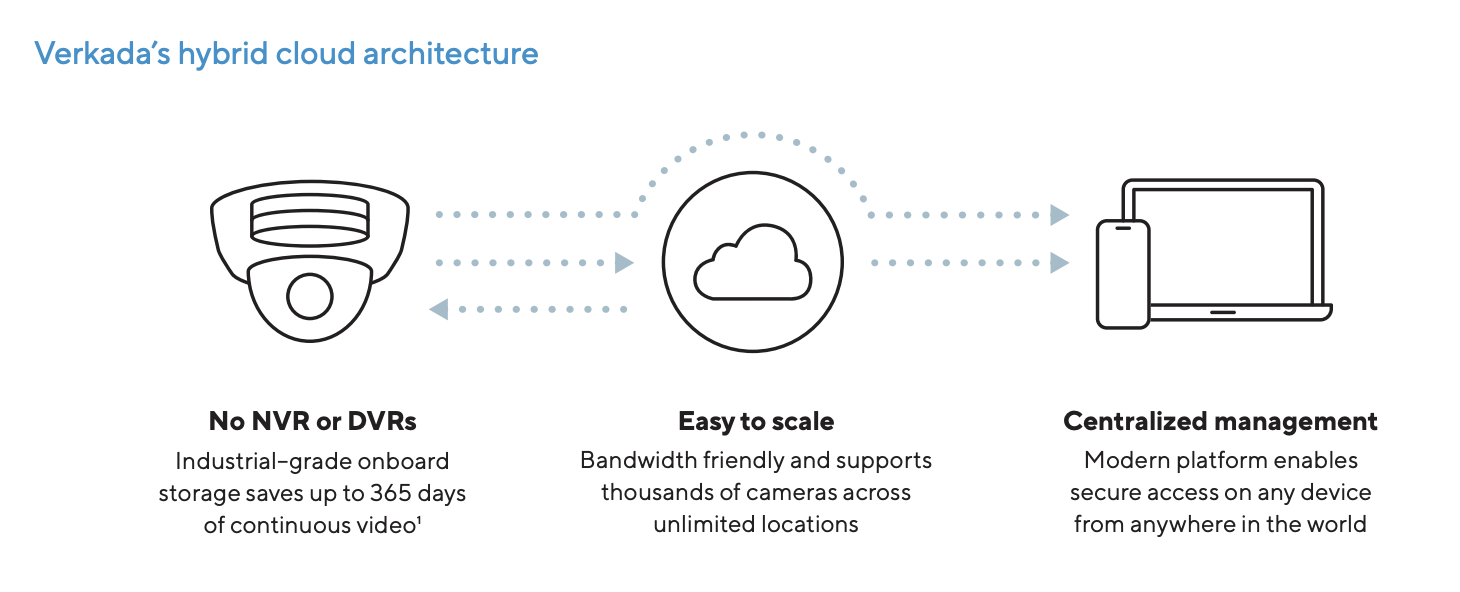
Source: Verkada
Let’s look at a few industries and environments where physical security is a priority and explore how a cloud-based solution helps meet the unique needs of each:
Commercial Buildings and Offices: Centralized Oversight Without Added Complexity
In commercial offices, warehouses, and multi-site organizations, physical security often grows one location at a time. Different buildings may use different cameras, vendors, or access systems, which can lead to inconsistent processes and limited oversight.
Cloud-managed security platforms are increasingly being used to:
Centralize monitoring across multiple locations
Provide browser-based and mobile access for authorized staff
Reduce reliance on on-site servers and local maintenance
Simplify incident review through searchable video and event history
Instead of security being something managed behind the scenes, organizations gain visibility that can be shared across facilities, IT, and leadership teams without requiring specialized software or constant hands-on support.
Retail, Hospitality, and Public-Facing Spaces: Consistency Across Locations
In customer-facing environments, physical security supports more than loss prevention. It also plays a role in consistency, accountability, and how incidents are reviewed.
Organizations with multiple locations often prioritize:
Standardized camera coverage and security policies
Remote access for regional or corporate teams
Faster incident review when issues arise
Clear audit trails for investigations and reporting
Cloud-based physical security platforms make it easier to deploy and manage systems consistently, even when locations are far apart and staffed by different teams.
K–12 Schools & Universities: Visibility, Health, and Safety
Schools operate under a distinct set of constraints. Staffing limitations, regulatory oversight, and limited IT resources all factor into security decisions. Physical security systems in schools are often expected to do a lot at once: provide visibility across multiple large campuses, support incident review after the fact, and help staff respond consistently when issues arise, all without adding day-to-day complexity for already stretched teams.
To support these goals, schools are often looking for security tools that can:
Provide real-time alerts without requiring staff to actively monitor screens
Centralize camera, sensor, and audio data within a single management platform
Give administrators and IT teams visibility across multiple buildings and campuses
Support compliance planning without adding separate systems or interfaces
This kind of planning can reduce disruption later and make it easier to phase technology upgrades over time instead of reacting under pressure.
One area receiving increased attention is vape detection, particularly in restrooms and locker rooms where supervision is limited. Air quality sensors can alert staff when vape events occur and provide trend data that helps schools respond in a more consistent way.
In Arkansas, K-12 districts are also starting to think ahead to Eli’s Law, which introduces requirements for audio monitoring in certain locker room environments starting with the 2027 school year. Rather than deploying separate systems at different points in time, cloud-managed sensors like Verkada can support both vape detection and audio monitoring within a single device that integrates into its cloud security platform.
The Common Thread Across These Environments
Across industries, recurring needs tend to drive the move toward cloud-managed physical security:
Fewer disconnected systems to manage
Better visibility without adding IT overhead
Easier scaling as requirements evolve
More useful aggregated data
Rather than focusing only on hardware replacement cycles, many organizations are prioritizing platforms that can evolve through software updates, reporting, and centralized management.
How Peak Tech Labs Helps!
Peak Tech Labs works with organizations across education, commercial, and public-facing environments to evaluate and deploy physical security solutions built on the Verkada platform.
Our role is focused on planning, execution, and long-term customer support. That often includes evaluating whether cloud-managed security makes sense for a given environment, coordinating trials to test run the equipment on your own premises, and designing deployments that align with operational and IT realities. We also help organizations plan phased rollouts so systems can adapt over time.
If you’re starting to think about what physical security should look like in 2026, we’re always open to a conversation focused on evaluating if Verkada is right for your facilities.